Best Condo Buildings for Investors in North Oakville
Compare North Oakville condo buildings for investors: location, fees, rent rules, costs and risks, plus a simple cash flow example before you buy.
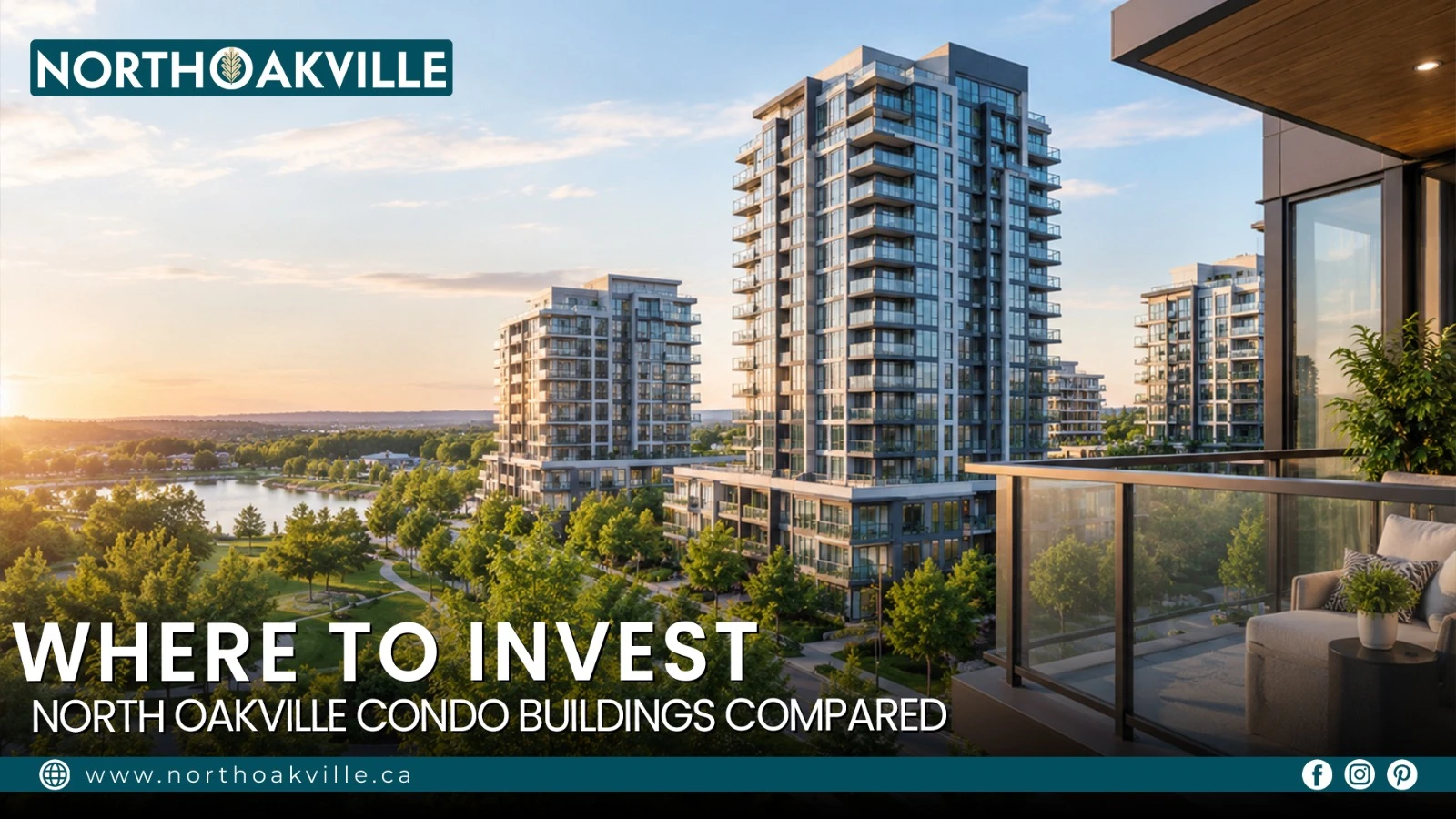
Ask ten investors which condo building is the best and you will hear ten different answers. That is because the best building depends on what you are trying to do. Some people want the lowest monthly cost, some want the strongest tenants, and some are happy to carry a small shortfall in return for long-term growth.
This guide does not hand out a single winner. It shows how to compare North Oakville condo buildings as an investor, introduces the buildings and areas that investors tend to look at, and explains the costs, rules and risks that decide whether a unit actually works. Building details, rents and fees change over time, so treat the profiles below as a starting point and confirm the current numbers before you make an offer.
Why investors look at North Oakville condos
North Oakville is a long-running growth area, with new communities and mid-rise and high-rise buildings built around Dundas Street and Trafalgar Road. Tenants here tend to include healthcare workers, young professionals, Sheridan College students and families who want to rent in a newer building before they buy. Highways, GO transit connections and the nearby hospital make daily life easy, which helps keep demand steady.
Many of the newer buildings were first occupied after November 15, 2018. Units first occupied after that date are generally exempt from Ontario's annual rent increase guideline, which gives landlords more flexibility on pricing, though market demand still sets the real limit.
What makes a condo building good for an investor?
A good investor building is one where rent covers as much of the cost as possible, tenants want to live there, fees are reasonable and predictable, and the unit will be easy to sell when you are ready. No building is perfect on every point, so it helps to compare them with the same checklist.
Location. Look at distance to GO bus routes, highways, shopping, the hospital and Sheridan. Short walks to groceries and transit usually mean faster leasing.
Age and condition. Newer buildings tend to have fewer repair surprises, while older ones often cost less per square foot but may need more capital work over time.
Builder and management. A well-run building with a responsive property manager is easier on you and on your tenant.
Condo fees and what they include. Compare fees per square foot, not just the monthly total, and check whether utilities are included or metered separately.
Unit mix. One-bedroom units with a proper den, a parking space and a locker usually rent more easily than compact units without them.
Rental rules. Check the building's rules on leasing, pets, move-in fees and short-term rentals.
Resale activity. Buildings where similar units sell and lease regularly make it easier to exit.
Buildings and areas investors often look at
The table below lists some of the newer condo communities that investors in North Oakville commonly compare. It is a starting list, not a ranking, and it does not cover every building. Details such as fees, unit counts and rents should be confirmed from the current listing and the building's documents.
Building | General area | Why investors look at it | What to check |
|---|---|---|---|
North Oak by Minto | Near Dundas Street and Trafalgar Road | Part of a large master-planned community with newer suites and shared amenities | Fees, utility metering and how many similar units are for lease |
Distrikt Trailside | Dundas Street West area | Newer building along the Dundas Street West corridor | Competition from other recent buildings, fees and parking options |
Nuvo | Khalsa Gate area, near the hospital | Close to the hospital, highways and shopping | Unit sizes, fees and leasing times for comparable suites |
Upper West Side | Along Dundas Street East | Easy access to shops and transit | Fee trends, unit mix and recent resale activity |
The Post by Greenpark | North Oakville | Boutique-style building with a smaller community | Fees, reserve fund strength and how often units trade |
West Oak Trails area | Around Khalsa Gate and Old Bronte Road | A community with several condo buildings in the Khalsa Gate and Old Bronte Road area | Building age, fee history and condition of common areas |
A few observations help when reading a list like this.
Dundas and Trafalgar. This corridor has the deepest supply of newer buildings and the strongest access to retail, transit and trails. More supply also means more competition among landlords, so check how quickly similar suites lease before you buy.
Dundas West and the hospital area. Buildings near the hospital often appeal to medical staff who value a short commute and a quiet building. Several newer buildings sit close together here, so compare rents and vacancy between them.
Uptown Core. The Uptown Core offers a mix of older and newer condos near shopping and transit. Older buildings can offer lower prices per square foot, and the trade-off is more attention to the condition of the building and its reserve fund.
Which unit works best?
One bedroom. Lower purchase price and a smaller mortgage. Tenants are often single professionals, and turnover can be higher.
One bedroom plus den. Popular with people who work from home. The den should be a real, builder-designed room, ideally with a door or a deep alcove, because a hallway nook does not earn extra rent. A lender's appraiser generally values a unit by its layout, so a true den is easier to support than a nook that reads as part of the entry.
Two bedroom. Higher price and tighter cash flow at first, but tenants such as small families and roommates tend to stay longer.
Whatever you choose, parking matters. In a car-dependent area, a unit without a parking space has a smaller pool of tenants and buyers. A locker is a smaller bonus that some tenants value.
A simple cash flow example
This is an example with round numbers, not a quote. Rates, fees and rents will be different when you buy.
Purchase price: $550,000
Down payment (20%): $110,000
Mortgage: $440,000 at 4.5% over 25 years, about $2,435 a month
Condo fees: $350 a month
Property tax: $150 a month
Landlord insurance: $50 a month
Rent: $2,300 a month
Monthly item | Amount |
|---|---|
Rent | $2,300 |
Mortgage payment | -$2,435 |
Condo fees | -$350 |
Property tax | -$150 |
Insurance | -$50 |
Monthly result | About -$685 |
In this example, the owner covers a shortfall every month. Part of the mortgage payment does go toward principal, which builds equity, but it still has to be paid in cash. That is why many investors in this area plan around a modest shortfall and long-term growth instead of expecting positive cash flow right away.
Three things move the result the most: a larger down payment, a lower purchase price per square foot and a lower interest rate. Rising fees work in the opposite direction. Every $100 added to the monthly condo fee takes $1,200 a year out of your income, so it is worth looking at fee history and the reserve fund before you buy.
If you are still working out what you can borrow, a mortgage pre-approval will show how a lender treats an investment purchase. Investment properties generally need at least a 20% down payment. Lenders also tend to count only a portion of the expected rent, often somewhere between half and 70% depending on the lender, when they calculate your debt ratios. They set aside the rest to allow for vacancy and costs, so you usually need strong personal income to qualify.
Costs beyond the mortgage
Condo fees. Usually cover building upkeep, insurance on common areas, security and contributions to the reserve fund. Newer buildings often meter hydro, water and heating separately so tenants pay for their own use.
Property tax. Billed separately from the condo fee.
Insurance. A landlord needs a policy that covers liability and loss of rent, and tenants should carry their own contents and liability coverage. Landlord coverage differs from standard home insurance, so ask your broker exactly what is included.
Property management. Many investors pay a percentage of the rent to a manager.
Repairs and vacancy. Set aside a cushion for repainting, appliances and the weeks between tenants.
Buying costs. Land transfer tax, legal fees, and a status certificate review. The first-time buyer rebate is meant for buyers who move in and use the home as their residence, generally within nine months of closing, so a unit bought purely to rent does not qualify.
HST on new units. New condos carry HST, and the price a builder advertises often assumes the buyer will live in the unit and qualify for the owner-occupant rebate. An investor may need to pay an amount equal to that rebate to the builder on closing day, which can run to tens of thousands of dollars. A rental rebate may be available for new rental property, but it is generally claimed from the CRA after closing and usually requires proof that the unit is leased long-term. Plan for the cash up front and ask your accountant how it applies to your purchase.
New build, resale or assignment?
A new build or pre-construction unit lets you spread deposits over time, but you wait for completion and the price you signed for may not match the market when you close. If the lender's appraisal comes in below your contract price, you cover the difference. Many buyers start by understanding what buying pre-construction involves before deciding.
Interim occupancy is the period when you can move in before the building is registered. You pay the builder a monthly fee that generally covers interest on the unpaid balance, estimated condo fees and estimated property tax, and you do not build equity. Some contracts restrict renting the unit during this period, so check before you plan around rent.
A resale unit lets you see the building, review the documents and lease it quickly. It usually needs the full down payment on closing day.
An assignment can sometimes be priced below the builder's current prices, but it needs a lot of cash up front, plus the builder's written consent and the HST cash requirement described above. Read about how an assignment sale works, including the builder's fees and the original buyer's lasting responsibilities, before you consider one.
Due diligence before you buy
For any condo, the status certificate is where you learn what the price does not show. Have a real estate lawyer review it while your offer is still conditional. Things to look for include:
Special assessments, whether charged already or expected
Lawsuits involving the corporation
A reserve fund that is small compared with what the engineering study says the building will need
Owners who are behind on their condo fees
Rules about leasing, pets and move-in fees
A pattern of large fee increases from year to year
New buildings have a few extra points. Fees set in the first year are sometimes lower than the real cost of running the building, and they can rise after the owners take control. Warranty coverage through Tarion applies to defects in new units and common areas, and the deadlines to report problems are short, so keep a record of what you find at your pre-delivery inspection.
It also helps to ask the property manager how many units are owner-occupied compared with rented, whether any fee increases are planned, and whether there have been recent insurance claims or disputes with the builder.
Renting it out: rules to know
Once you have a tenant, the Residential Tenancies Act applies. A few essentials for landlords:
Use the Ontario standard lease and add any building rules to it.
Only collect what the law allows, such as last month's rent. Damage deposits are not permitted.
A fixed-term lease generally becomes month-to-month at the end of the term, so it does not simply expire.
For units exempt from the rent guideline, such as those first occupied after November 15, 2018, rent can increase once every 12 months with at least 90 days of written notice. The landlord uses the Landlord and Tenant Board's notice of rent increase for exempt units (Form N2) and not the form used for rent-controlled units (Form N1). The exemption does not remove the other tenancy rules.
Screen tenants with references, proof of income and a credit check, and follow the Human Rights Code.
Disputes at the Landlord and Tenant Board can take months, so a careful screening process matters more than anything else.
It also helps to understand what tenants expect when renting in North Oakville, including the questions they ask before they sign a lease.
Short-term rentals deserve a separate warning. Many condo declarations restrict or ban them, and the Town has its own rules, so check both before planning on anything other than a long-term tenant.
Taxes in brief
These are general points and not tax advice.
Rental income is generally taxable, after deducting eligible costs such as condo fees, property tax, insurance, mortgage interest and management fees. Claiming depreciation on the building can create tax to pay when you sell, so many owners discuss that choice with an accountant first. If you sell within a year of buying, which can include assignments, federal rules may treat the profit as fully taxable business income. Non-resident buyers face extra taxes and restrictions, and those rules change, so they should get advice before making an offer.
What can go wrong
Negative cash flow. Costs may exceed rent for years, especially with 20% down.
Competition between buildings. When several buildings finish at about the same time, tenants have more choice and landlords may wait longer or lower the rent.
Rising fees and special assessments. These reduce your return and can make a unit harder to sell.
Interest rates. A higher rate at renewal can add hundreds of dollars a month.
Tenant risk. A tenant who stops paying can leave you covering the full cost during a long hearing process.
Appraisal gaps. Pre-construction buyers can face a shortfall at closing if values have fallen.
Limited exit. Condos can take longer to sell than houses in some markets.
Warning signs in a building include a thin reserve fund, repeated large fee increases, a long list of owners in arrears, ongoing disputes with the builder and a high share of rented units with frequent turnover.
How condos compare with other options
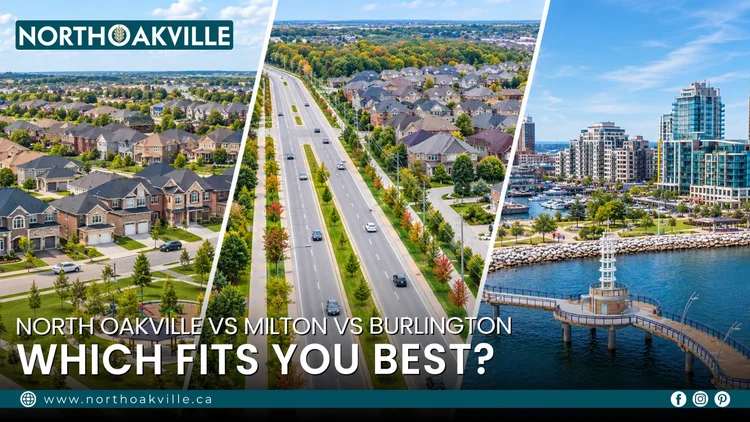
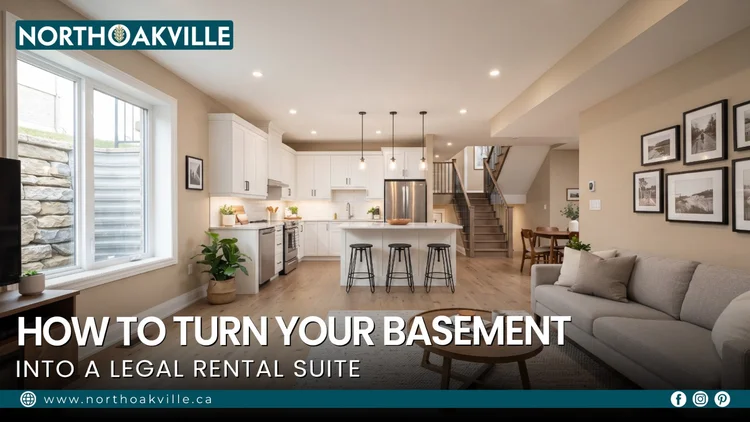
A condo usually has a lower entry price and less upkeep than a house. A freehold townhome or a detached home with a legal basement suite costs more to buy but has no condo fees and can bring in more rent. Other towns can look different too. Comparing North Oakville with Milton and Burlington shows how prices and lifestyle vary across the region. The right choice comes down to your budget, how hands-on you want to be and how long you plan to hold.
Final Thoughts
The best condo building for an investor is the one that fits your plan and passes a careful check. Start with the location, then compare fees, the reserve fund, the unit mix and the rental rules. Build your numbers from realistic rent, add a cushion for vacancy and repairs, and be honest about how much monthly shortfall you can carry.
A few reminders as you narrow your list:
Compare buildings using the same checklist, not marketing brochures.
Check fees per square foot and the reserve fund before the price.
Choose units with parking and a real den where possible.
Plan for a monthly shortfall, and keep a cash reserve.
Have a lawyer review the status certificate while your offer is conditional.
If you are considering a condo in North Oakville as an investment, we are happy to talk through the buildings, the numbers and the questions to ask before you decide.
This article is for general information only and is not legal, tax or financial advice. Please confirm current details with a lawyer, an accountant, your lender and the condo corporation before you buy.
FAQs
Are condos in North Oakville a good investment?
It depends on the building, price and your plan. Many investors expect long-term growth and some monthly shortfall at 20% down.
Which North Oakville condo buildings do investors look at?
Common names include North Oak, Distrikt Trailside, Nuvo, Upper West Side and The Post. Compare each one on fees, rents and resale activity.
Are newer condos in Oakville subject to rent control?
Units first occupied after November 15, 2018 are generally exempt from the annual guideline. Notice and timing rules still apply.
How much down payment do I need for an investment condo?
Investment properties generally require at least 20% down. Lenders may also count only part of the rent toward your income.
Can I rent my condo during interim occupancy?
Many contracts restrict it. Check your agreement, because you may pay occupancy fees without any rental income.
What should I check on a status certificate?
Look for special assessments, lawsuits, reserve fund strength, arrears, leasing rules and a history of fee increases.
What are condo fees in North Oakville?
They vary by building. Compare the fee per square foot and check what is included, since many newer buildings meter utilities separately.
Do I pay HST when buying a new condo as an investor?
HST applies to new units. Investors may need to pay the owner-occupant rebate amount on closing, then claim a rental rebate later. Confirm the details with an accountant.
Is a pre-construction condo better than a resale?
Not always. Pre-construction offers time to save but carries delay and appraisal risk, while a resale lets you inspect the building first.
What is the biggest risk with a condo investment?
Costs that exceed rent, rising fees and special assessments are common. A cash reserve helps you handle them.
Can I use my condo as a short-term rental?
Often not. Many condo rules restrict short-term rentals, and the Town has its own regulations, so check both.
Do investors qualify for the first-time buyer land transfer tax rebate?
Not if the unit is bought purely to rent. The rebate is for first-time buyers who move in, generally within nine months of closing.